
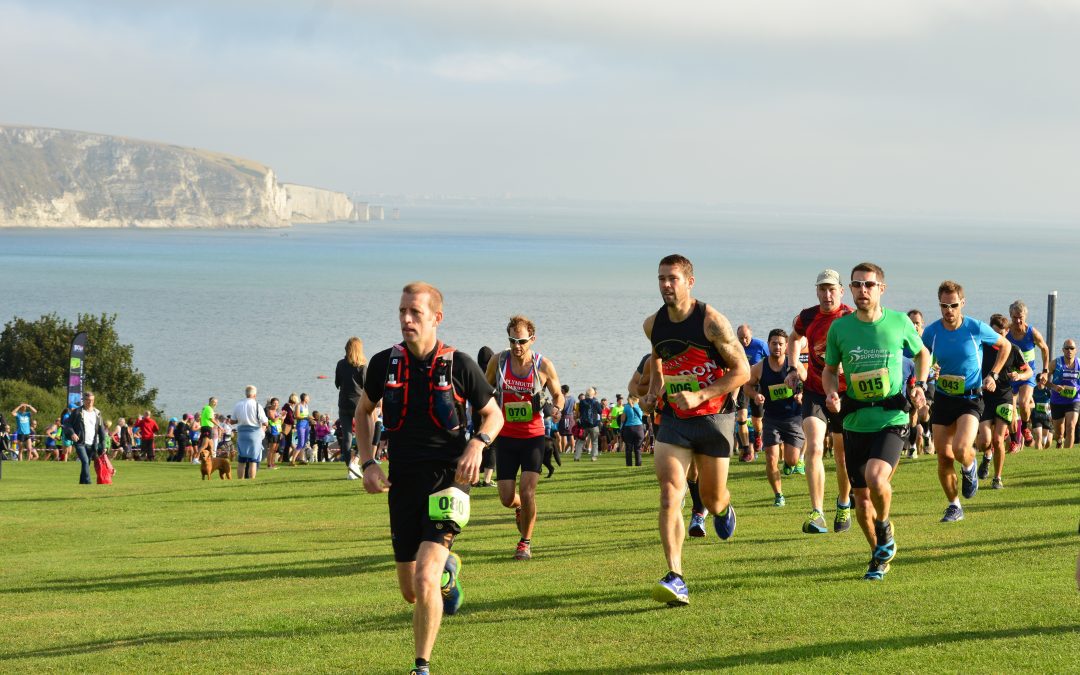
If you have run road marathons and you are tempted by the trails, you are in a great position. You already have the engine. Now you just need to learn to use it differently.
What Changes When You Leave the Road
This is the single biggest adjustment for road runners. You have to stop thinking about pace and start thinking about effort. A 10-minute mile on the flat might become a 16-minute mile on a steep climb, and that is completely normal. Trying to hold your road pace on a trail will blow you up fast.
What stays the same is your aerobic base. All those miles you have run have built a strong heart, lungs and endurance. That foundation transfers directly. You are not starting from scratch, you are adding new skills on top of what you already have.
The Mental Shift: Effort Over Pace
On trails, you measure your run by time on your feet and by effort, not by how fast each mile clicks by. On the climbs you slow right down, sometimes to a walk, and that is fine. On the flat and runnable sections you open up. The skill is in reading the terrain and adjusting constantly.
Once you let go of pace, trail running becomes far more enjoyable. You stop fighting the course and start working with it.
Three Things Road Runners Do Wrong on Trails
A few habits carry over from the road that work against you on the trail.
They start too fast. Road runners are used to settling into a quick rhythm early. On a hilly trail, going out hard leaves nothing for the climbs later. Start conservatively.
They brake on the downhills. Many road runners tense up and brake down descents, which trashes the quads. The trick is to relax, lean slightly forward and let your legs turn over quickly.
They run the climbs too hard. Trying to run every hill at pace is exhausting and often slower than a strong, efficient walk on the steepest pitches. Learn when to walk.
Hill Technique: Up and Down
Hills are where road runners feel the difference most.
Going up, shorten your stride, keep your effort steady rather than spiking your heart rate, and use your arms. On steep climbs, a powerful walk with hands pushing on your thighs is often more efficient than a laboured run. There is no shame in walking. Experienced trail runners do it constantly.
Going down, this is a genuine skill that takes practice. Lean slightly forward from the ankles, not back. Keep your steps light and quick. Look a few metres ahead so you can pick your line rather than staring at your feet. Let gravity help you rather than fighting it the whole way down.
Terrain Adaptation: Practise on the Rough Stuff
Spend some of your training runs on the kind of surfaces you will race on: grass, mud, rocks, roots and uneven paths. Your body learns to react, your ankles strengthen, and your confidence grows. The more time you spend on rough ground, the more natural it feels.
If you are training for the Purbeck Marathon, seek out hilly, mixed terrain. The course crosses chalk downland, muddy tracks and rocky coast paths, so the more varied your training ground, the better prepared you will be.
Build Ankle Strength and Stability
Flat road running does little to build the small stabilising muscles in your ankles and feet. On uneven ground those muscles work hard, and if they are weak you are more likely to roll an ankle or tire quickly.
Add some simple stability work to your routine. Single-leg balance exercises, calf raises, and standing on one leg while brushing your teeth all help. It sounds minor, but strong, stable ankles transform how confident you feel on technical ground.
Core work is also needed
Kit Differences: What You Actually Need
Your road kit will not all carry over. A few additions make trail running safer and more comfortable.
- Trail shoes. The single most important change. Road shoes lack grip and protection for off-road terrain.
- A running vest or belt. Trails have fewer support points, so you need to carry your own water and fuel.
- Mandatory safety kit. Trail races like the Purbeck require items such as a foil blanket, whistle and waterproof for safety on remote ground.
You do not need to spend a fortune. A decent pair of trail shoes and a simple running vest cover the essentials to get started.
A 4-Week Transition Plan
Before you start your main marathon training block, spend four weeks easing into trail running.
Week 1: Replace one road run with an easy trail run on gentle ground. Get used to the feel of the surface.
Week 2: Add a second trail run. Include some small hills and practise walking the steep bits.
Week 3: Make your long run a trail run. Focus on effort rather than pace, and practise your downhill technique.
Week 4: Run on the most varied terrain you can find. Add some ankle and stability work twice this week.
After these four weeks you will feel far more at home on the trail and ready to begin training properly for your race.
Frequently Asked Questions
Is trail running harder than road running?
Can a road runner do a trail marathon?
What is the biggest difference between road and trail running?
Do I need different shoes for trail running?
Your First Trail Marathon Is Waiting
The Purbeck Marathon is a brilliant first trail marathon. The course is challenging but achievable, the support is excellent, and the scenery makes every climb worthwhile. If you have run on roads and you are ready for something new, this is the race to start with.
Register for the Purbeck Marathon 2026 on 20 September. Prefer to build up gradually? The Purbeck 16 is a perfect stepping stone to the full distance.